Entering the Shaanxi North Folk Museum to Explore the Inheritance of Traditional Culture through Folk Wisdom
No matter how far you go, no matter when, the moon is bright in your hometown, and the most unforgettable memory is homesickness... This may be the soulful singing and hidden longing of every traveler who leaves their hometown and is far away from their homeland.
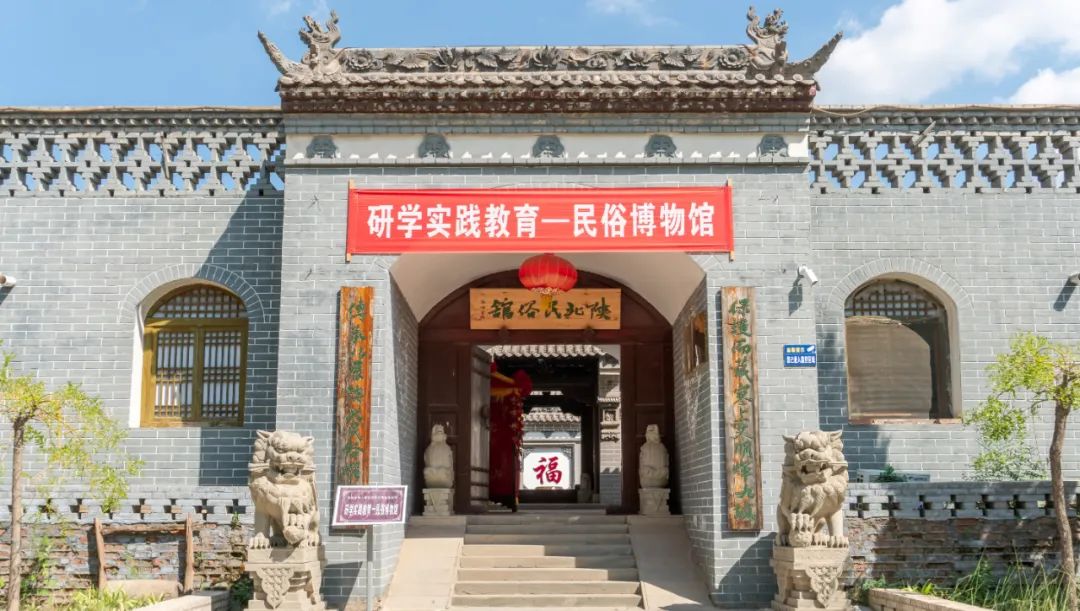
& nbsp; & nbsp; The museum is based on the Suide "Flower Wall Courtyard" and was built using the traditional "three in, three up" four in designThe courtyard. The land area is1200Square meters, consisting of26Composed of cave dwellings. of which25The Kong Kiln Cave combines visual display with physical objects, character shaping with scene simulation, showcasing thousands of exhibits of spring plowing, summer hoes, autumn harvest, winter storage, as well as folk wedding customs, folk literature, daily life, and daily necessities of farmers in northern Shaanxi from the early days of liberation. Sculptures depicting the life scenes of northern Shaanxi characters are also embellished, making it a rich treasure trove of folk culture and art in northern Shaanxi


Here, you can concentrate on experiencing Shaanxi's wedding customs, clothing culture, architectural culture, agricultural culture, food culture, language culture, painting culture, filial piety culture, funeral culture, historical culture, coin culture, and more.
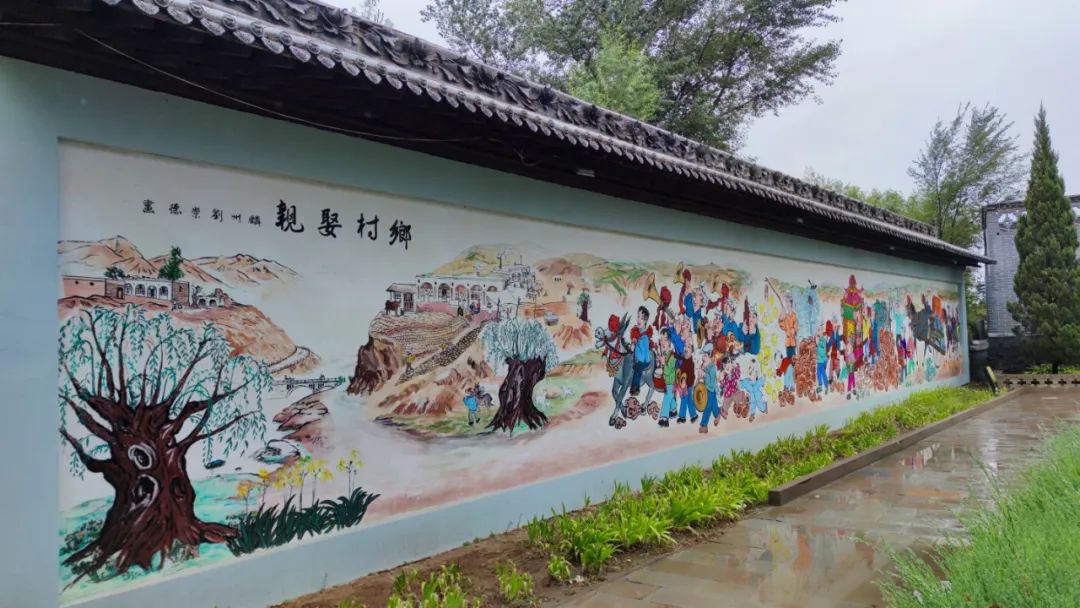
There is a work by Liu Chongde, a well-known "Shaanbei Farmer Painting" writer from Shenmu City, on the front wall of the museum entrance. This painting is 2 meters high.7Rice, long as25Rice, with the theme of rural marriage, comprehensively reflects the traditional wedding customs of northern Shaanxi.


The ancient agricultural tools used for sowing were pulled by livestock and supported by people behind them, which could simultaneously complete the tasks of trenching and planting. Plant one ridge at a time or multiple ridges, with traditional ones up to a maximum of 5 ridges. Its agricultural tool is the predecessor of the current seeder, which uses a plow to sow seeds. Also known as "land". The plow can not only complete tasks such as trenching, planting, and covering soil in one go, greatly improving the efficiency of sowing, but also ensuring consistent row spacing, depth, and density, facilitating ventilation, light transmission, and field management after emergence, thereby improving the quality of sowing.


Kuai is a traditional Han folk noodle snack, and one of the most common ways of eating noodles in northern China. The traditional method is to use a wooden "bed" and place it on the pot table. Then, put the well made noodles (often buckwheat noodles) into the hollow cavity of the bed with eyes. A person sits on the wooden handle of the bed and presses it hard, directly pressing the noodles into the boiling pot. When the water boils, stir with chopsticks and add cold water, roll twice, and then take it out. Pour the "saozi" made beforehand with tofu, meat, red and white radish, etc. on top. You can eat now.


Our country's weighing system has a long history. Its origin and standards are recorded differently. According to historical records, Huangdi established five measurements: Du, Liang, Heng, Li, and Mu; Shun summoned the leaders of the four directions to coordinate the year, month, season, hour, rhythm, and measurement of each tribe; Xia Yu used rules and standards as measuring tools for flood control, and used his own body length and weight as standards for length and weight. These legends to some extent reflect the embryonic state of ancient measurement. The inscriptions on bronze vessels from the Western Zhou Dynasty, which contain characters such as "Golden Ten Glances", "Silk Three Glances", and "Golden Ten Uniforms", are the true evidence of a token. Gold is copper, and "寽" and "」" are unit names for measurement. Before or at the same time as the emergence of metallic currency, there were already means of measuring weight.


China is one of the earliest countries in the world to use currency. China's monetary culture has a history of over four thousand years and holds an important position in the history of world currency.